
Source Authors: David Jacobs

  • Emotional Flood During Hybrid Interaction

    Emotional Flood During Hybrid Interaction

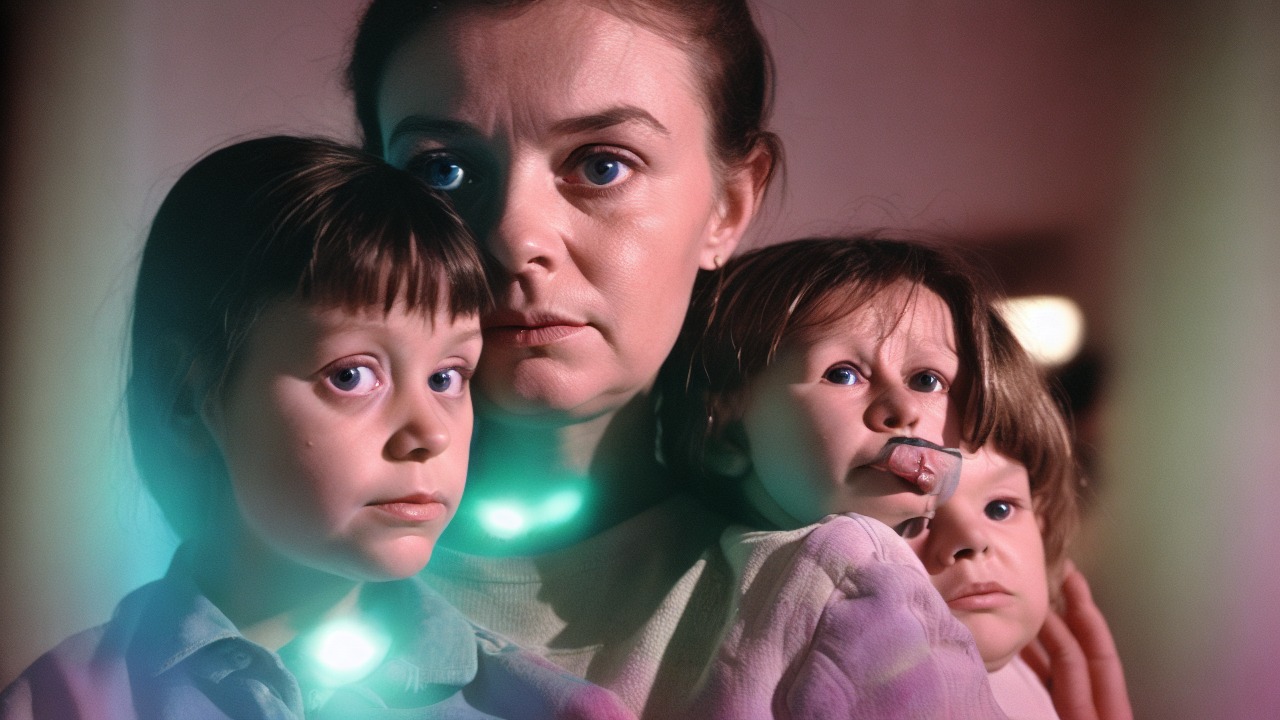
    Jacobs observes that interactions with hybrid beings frequently trigger overwhelming emotional floods. One experiencer describes being surrounded by hybrids and suddenly feeling a wave of sorrow and connection. The intensity resembles emotional surges found in powerful dreams.

    She does not understand the source of the emotion, yet feels it is tied to the beings’ intentions. The scene is quiet and dim, with hybrid figures watching her intently.

    Jacobs interprets the emotional wave as symbolic communication within the encounter, operating in the same way emotion drives meaning in dreams.

  • The Going-Home Light Transition

    The Going-Home Light Transition

    In Jacobs’s descriptions of the return phase, an abductee recalls being enveloped by a warm but intense light. Her surroundings dissolve into brightness, and she senses downward movement toward her bedroom. The moment feels like waking from a vivid dream.

    She finds herself suddenly back in bed, unsure how much time has passed. Her body feels heavy and distant, as though returning from a long lucid nightmare. The environment appears strangely quiet and emotionally flattened.

    Jacobs interprets these going-home transitions as symbolic reentries that merge dreamlike perception with physical return.

  • Symbolic Mental Display of Alien Purpose

    Symbolic Mental Display of Alien Purpose

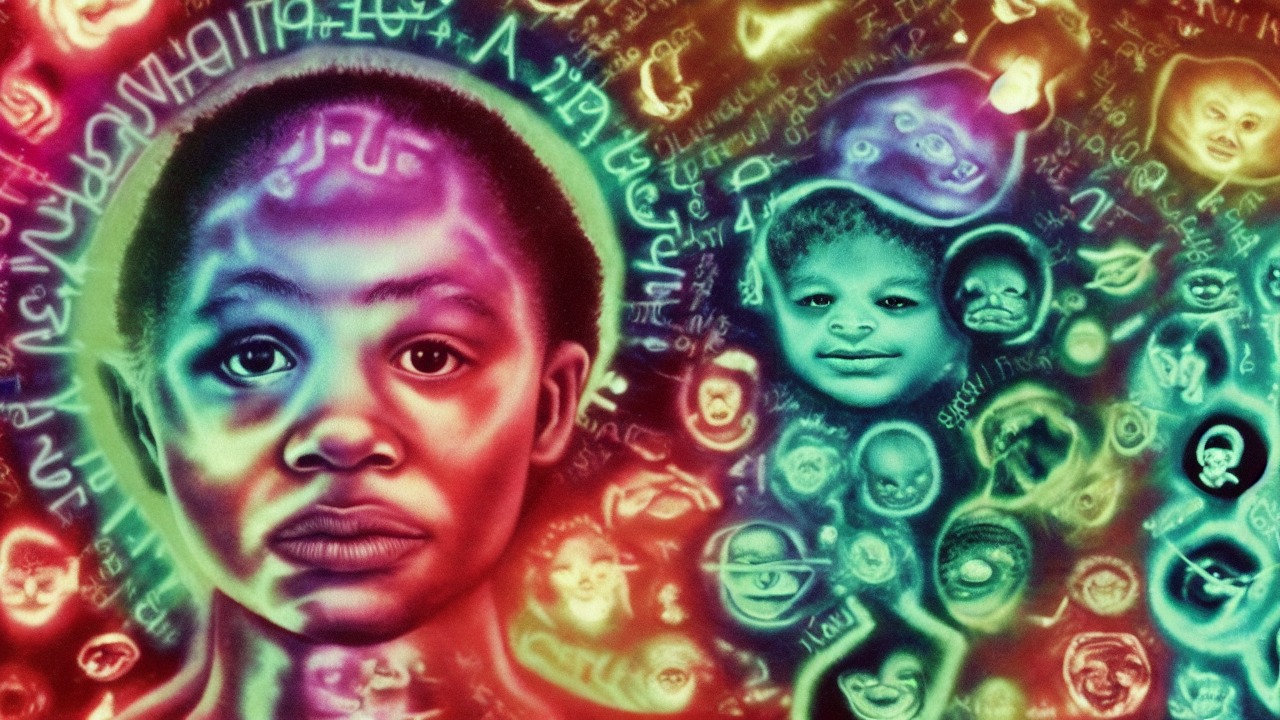
    Jacobs notes that abductees often receive symbolic mental displays from the beings. One experiencer reports seeing images of fetuses, containers, and reproductive diagrams that appear directly in her mind. The scene unfolds like a visual dream shown for instructional purposes.

    She senses the beings want her to understand their purpose, though she cannot interpret the symbols fully. The imagery is vivid and emotionally charged, producing both fear and curiosity.

    Jacobs interprets these mental displays as ancillary experiences that use dreamlike symbolism to convey meaning.

  • Machine Examination Visualization

    Machine Examination Visualization

    Jacobs recounts an abductee describing a mechanical examination in which lights, panels, and geometric shapes shift around her body. The movement feels surreal, as though she is immersed in a dream generated by unknown technology. She cannot determine whether the machine touches her or simply observes.

    The scene includes rhythmic vibrations and synchronized humming that feel symbolic rather than physical. She senses communication through the pattern of the machine’s movement.

    Jacobs sees such mechanical examinations as secondary phenomena with strong dreamlike qualities.

  • Hybrid Child Presentation

    Hybrid Child Presentation

    In Jacobs’s cases, abductees are frequently presented with hybrid children. One woman recalls holding a small child whose appearance is both human and otherworldly. The emotional reaction is intense, unlike ordinary experience. She feels immediate attachment accompanied by confusion.

    The child’s large eyes and fragile body evoke surreal dream imagery, blurring boundaries between symbol and reality. The experiencer senses that the beings expect her to bond, although she does not understand why.

    Jacobs interprets these presentations as secondary events that engage symbolic maternal emotions in a dreamlike field of meaning.

  • Visualization of Planetary Destruction

    Visualization of Planetary Destruction

    Jacobs notes that experiencers sometimes witness powerful visualizations presented by the beings. One witness describes seeing imagery of planetary destruction, environmental collapse, and fire spreading across continents. The vision arrives fully formed, as if projected into her mind.

    She experiences the scene with the emotional weight of a nightmare, yet understands it symbolically. The beings appear to be conveying meaning through imagery rather than speech.

    Jacobs interprets these visions as secondary events within the abduction sequence, carrying dreamlike symbolic messages about global threat.

  • The Table Examination and Dissolving Boundaries

    The Table Examination and Dissolving Boundaries

    Jacobs presents a case in which a woman lies on a cold table surrounded by beings performing a manual and instrumental examination. As the procedure continues, her sense of physical boundaries blurs. She feels as if her body is expanding or contracting like a dream image.

    She cannot identify where sensations originate, describing floating impressions, tingling, and disjointed tactile fragments. The scene feels symbolic rather than purely physical.

    Jacobs interprets this dissolution as part of the abduction structure, where dreamlike sensory confusion blends with invasive bodily procedures.

  • Staring Encounter With the Primary Being

    Staring Encounter With the Primary Being

    A central element of Jacobs’s cases involves the abductee staring directly into the eyes of a being. One woman recalls an extended moment in which the being’s unblinking gaze causes her perception to dissolve. The scene feels unreal, like a dream where symbolic figures exert overwhelming influence.

    She describes the stare as pulling her inward, creating a trance state where fear and calm intermingle. The being communicates silently, and she feels compelled to comply without knowing why.

    Jacobs notes that the staring episodes often induce a dreamlike surrender of agency, marking the onset of deeper procedures.

  • The Dim Corridor of Amnesia

    The Dim Corridor of Amnesia

    Jacobs documents a recurring image reported across abductees: being guided down a dim corridor within the craft. The corridor is narrow, quiet, and appears to swallow sound, resembling a dreamlike tunnel between states of consciousness. The experiencer senses she is entering a deeper layer of the event.

    Her memory becomes fragmented as she moves forward. The corridor feels both familiar and unreal, as though its geometry shifts with attention. She recalls feeling suspended in time, unable to determine how long she walked.

    Jacobs interprets these corridor passages as transitional, containing the symbolic function of dream tunnels that lead from one realm of meaning into another.

  • Floating Transport Through the Wall

    Floating Transport Through the Wall

    In Jacobs’s Secret Life, an abductee describes the surreal moment when she drifts out of her bedroom and passes directly through the wall. The movement feels effortless, as though she is floating within a lucid dream. She experiences a sense of detachment from her physical body, noting that she offers no resistance.

    The transition into the craft feels like shifting into a symbolic dream world, where familiar boundaries dissolve and the environment rearranges itself. The experiencer feels both terror and calm, as though watching a dream unfold around her.

    Jacobs notes that these floating transitions show the hybrid qualities of abduction memories, blending dreamlike imagery with emotionally charged perception.