Source Authors: Budd Hopkins

  • Dreamlike Reassembly in Bed

    Dreamlike Reassembly in Bed

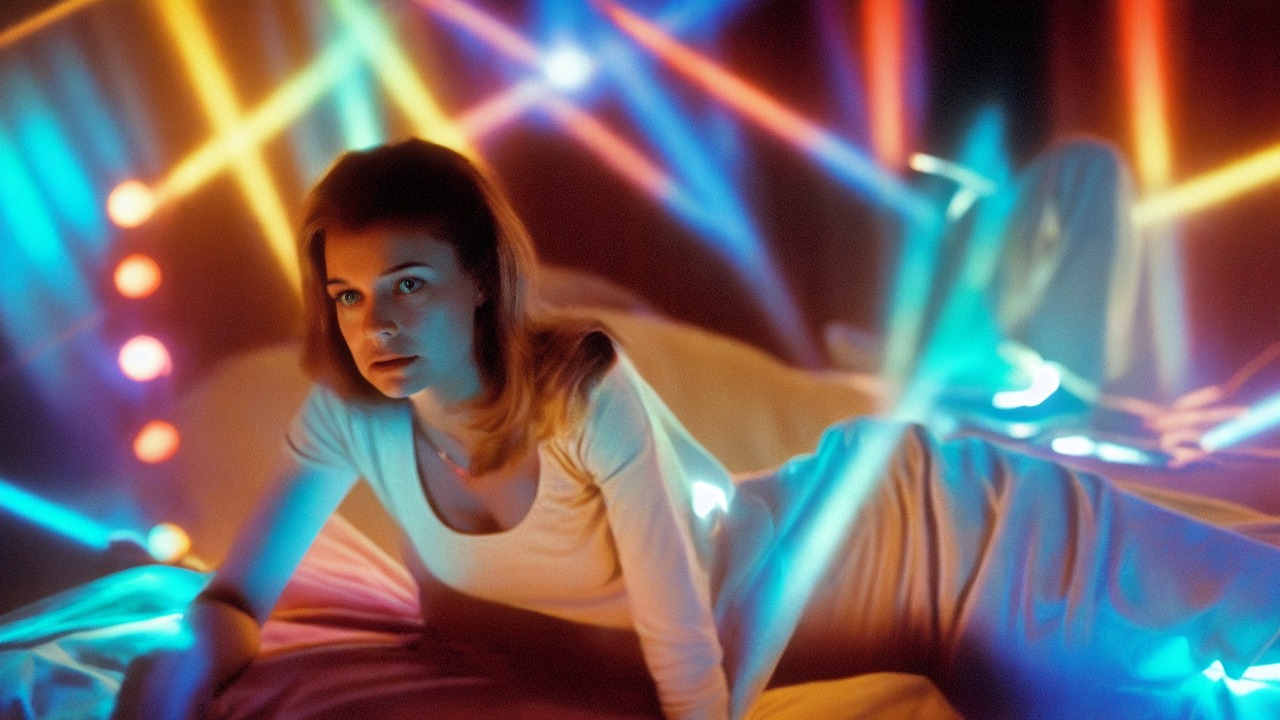
    Hopkins recounts how some experiencers find themselves back in bed with no recall of the transition from encounter to waking position. The seamless reentry resembles dream reassembly, where fragmented scenes collapse into a coherent waking moment.

    The experiencer notes no bodily evidence of the event, highlighting the symbolic nature of the encounter. The intact bedclothes contrast sharply with the vivid sensations of the remembered experience.

    Hopkins interprets this as a hallmark of dream-encounter merging, in which symbolic experience overtakes physical continuity.

  • Emotional Dual-Mind Observation

    Emotional Dual-Mind Observation

    Hopkins describes a woman witnessing an unfamiliar bright room and shirtless figures while also believing she is still in her bedroom. She experiences two streams of awareness at once, as if occupying two realities.

    This dual-mind perception is characteristic of altered dream states where symbolic scenes overlap with waking memory. She reports confusion about the lack of a patio and pool where she expects them to be.

    Hopkins interprets the experience as a liminal encounter moment in which dream logic and waking logic coexist.

  • Afterglow Pressure Sensation

    Afterglow Pressure Sensation

    Immediately after his regression, Steven feels peculiar pressure in his ears, similar to an altitude shift. The sensation arrives suddenly and without physical cause, contributing to a dreamlike dislocation from everyday body awareness.

    He repeatedly yawns and swallows, grounding himself back into normal sensation. The transition resembles waking from a powerful dream where physical cues lag behind consciousness.

    Hopkins notes that such afterglow sensations indicate lingering altered states following deep encounter recall.

  • Steven’s Paralyzing Examination Sequence

    Steven’s Paralyzing Examination Sequence

    Hopkins recounts Steven’s regression in which he describes lying immobilized while a short being examines a sensitive area of his stomach. A metal device spreads his legs, adding to the surreal vulnerability of the moment.

    Steven’s arms and legs rapidly become numb, a sudden paralysis that feels both real and dreamlike. He describes his state as being ‘like a frog,’ indicating a symbolic disidentification from his body.

    Hopkins interprets the sequence as an archetypal examination scenario, blending bodily sensation with dreamlike emotional shifts.

  • Return to Bed in Unfamiliar Position

    Return to Bed in Unfamiliar Position

    After a bright-room encounter, the subject awakens on her stomach, a position she never uses for sleep. The bed is neat, contradicting her vivid sensations of vomiting and wetting.

    The mismatch between memory and physical evidence mirrors the aftermath of vivid dreams, where bodily orientation does not correspond to dream events. She notes an extreme, unnatural relaxation that heightens the surreal quality of the return.

    Hopkins sees this as characteristic of post-encounter reintegration, where dreamlike imagery dissolves and the experiencer reenters waking reality with lingering confusion.

  • Bright Room Replacing the Bedroom

    Bright Room Replacing the Bedroom

    In a vivid memory, an experiencer awakens to find that her sliding glass door no longer reveals her patio but instead opens into a brilliant room with shirtless brown-skinned figures around a table. The sudden environmental substitution mirrors dream logic.

    She reports seeing two versions of reality at once—the known bedroom and the unfamiliar bright chamber. The ambiguity leaves her unable to determine whether she is awake or dreaming.

    Hopkins interprets the vision as part of a complex encounter sequence, in which abductees move through symbolic spaces that override ordinary perception.

  • Upside-Down Hanging Sensation

    Upside-Down Hanging Sensation

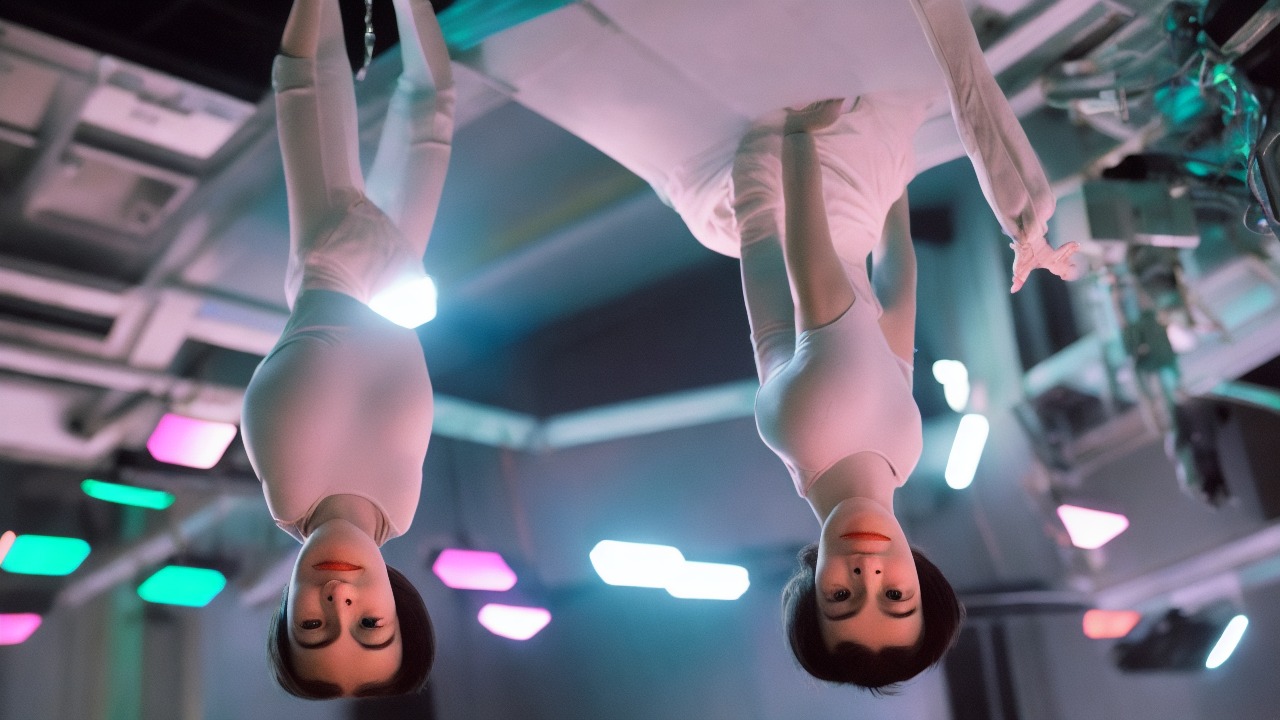
    Hopkins reports a case in which a woman feels herself hanging upside down, detached from her bed. She senses poking and prodding in intimate areas, described not as sexual but as instrumental. The sensations are surreal and frightening.

    Her perceptions oscillate between bodily immersion and symbolic confusion, resembling the shifting logic of a nightmare. She fears wetting the bed, then gagging, then vomiting, though none of these appear to occur physically.

    Hopkins interprets the episode as a hybrid dream-encounter state in which physical sensations and symbolic fears merge during an abduction.

  • Mrs. Bennett’s Beam-of-Light Encounter

    Mrs. Bennett’s Beam-of-Light Encounter

    Mrs. Bennett describes watching a bright object approach from the sky and stop directly overhead. A beam of light shines down and engulfs her with an intense emotional shock that feels like the onset of a dream or a symbolic death.

    The paralysis and hyperclarity create a surreal tableau. Her daughter sees entirely different details, adding to the dreamlike quality of fractured perception. The moment stretches beyond normal time and sensory coherence.

    Hopkins notes that such beam encounters contain elements of visionary shock and fragmented awareness, blending waking perception with dreamlike intrusion.

  • Renata’s Divergent Memory Fragment

    Renata’s Divergent Memory Fragment

    Hopkins describes Renata’s memory of small objects leaving a larger craft. Her recollection differs from her mother’s, creating a split-memory pattern typical of dreamlike encounter states. The fragment appears with sharp imagery but no narrative continuity.

    The sensory details arise suddenly and without context, resembling dream fragments that stand apart from waking experience. Renata reports no memory of the beam of light her mother saw, strengthening the sense of dissociation.

    Hopkins interprets such divergent memories as evidence of longer, symbolic encounter sequences that are only partially accessible to consciousness.

  • McMahon’s Bright-Light Immobilization Episode

    McMahon’s Bright-Light Immobilization Episode

    In Hopkins’s Missing Time, McMahon recalls a nighttime encounter in which a brilliant overhead light immobilized him. The scene felt unreal and heavy, as if he were suspended in a lucid nightmare. He senses an overwhelming presence but cannot locate a source.

    As the light intensifies, he loses awareness of his surroundings. The moment has the quality of being pulled out of time—an abrupt shift from familiarity into dreamlike suspension. When awareness returns, he finds himself displaced and disoriented.

    Hopkins interprets the episode as a classic missing-time event, marked by paralysis, altered perception, and symbolic luminosity characteristic of dreamlike abduction states.