Entities: Woman

  • Karin’s Panic and Sudden Awakening

    Karin’s Panic and Sudden Awakening

    In another portion of Karin’s encounter, she reports that the being ‘let’ her open her eyes, as if controlling her perception. The sudden transition from sensory blockage to full sight produces a shock similar to awakening within a nightmare.

    Her panic is immediate and visceral, yet the vision of the being remains surreal. The mixture of terror and clarity suggests an encounter mediated by altered consciousness.

    Mack views this controlled perception as characteristic of dreamlike states where agency is ambiguous and emotional tone is heightened.

  • Jean’s Nightgown Anomaly Upon Waking

    Jean’s Nightgown Anomaly Upon Waking

    After waking from her encounter, Jean notices that her nightgown is on inside-out and untied. This small detail heightens her sense that the experience was both real and dreamlike.

    She recalls waking Roy and telling him she had a weird dream, indicating that she initially interpreted the events through dream logic rather than literal intrusion. The tactile confusion of clothing displacement is common in dreams involving disorientation or altered space.

    Mack notes that such physical anomalies serve as liminal markers between dreaming and waking, reinforcing the hybrid nature of Jean’s experience.

  • Jean’s Floating Return Through the Window

    Jean’s Floating Return Through the Window

    Jean describes the final stage of her encounter as a floating return to her bedroom. She recalls rising effortlessly through the window and descending into her bed, a movement consistent with dream flight imagery or OBE-like experiences.

    The drifting sensation combines weightlessness with emotional detachment, making the moment feel both peaceful and uncanny. She then wakes with bodily confusion and a sense that something profound yet ephemeral has occurred.

    Mack interprets this return sequence as characteristic of dream-encounter transitions, where symbolic flight bridges the encounter world and waking consciousness.

  • Jean’s Field Walk With a Being

    Jean’s Field Walk With a Being

    Mack includes Jean’s recollection of walking from a craft through woods with an alien figure. The stroll feels unhurried and intimate, like a dream sequence shared with a silent companion. Jean notices textures of ground, leaves, and the cool air in heightened sensory detail.

    She speaks to the being about childhood memories and the local landscape in a manner that feels both natural and surreal. The sensory immediacy intertwines with the impossibility of the scene, producing a dreamlike rhythm.

    Jean later wakes in bed with disorientation, believing she has had a strange dream, reinforcing the hybrid dream-encounter qualities of the experience.

  • Emotional Dual-Mind Observation

    Emotional Dual-Mind Observation

    Hopkins describes a woman witnessing an unfamiliar bright room and shirtless figures while also believing she is still in her bedroom. She experiences two streams of awareness at once, as if occupying two realities.

    This dual-mind perception is characteristic of altered dream states where symbolic scenes overlap with waking memory. She reports confusion about the lack of a patio and pool where she expects them to be.

    Hopkins interprets the experience as a liminal encounter moment in which dream logic and waking logic coexist.

  • Return to Bed in Unfamiliar Position

    Return to Bed in Unfamiliar Position

    After a bright-room encounter, the subject awakens on her stomach, a position she never uses for sleep. The bed is neat, contradicting her vivid sensations of vomiting and wetting.

    The mismatch between memory and physical evidence mirrors the aftermath of vivid dreams, where bodily orientation does not correspond to dream events. She notes an extreme, unnatural relaxation that heightens the surreal quality of the return.

    Hopkins sees this as characteristic of post-encounter reintegration, where dreamlike imagery dissolves and the experiencer reenters waking reality with lingering confusion.

  • Bright Room Replacing the Bedroom

    Bright Room Replacing the Bedroom

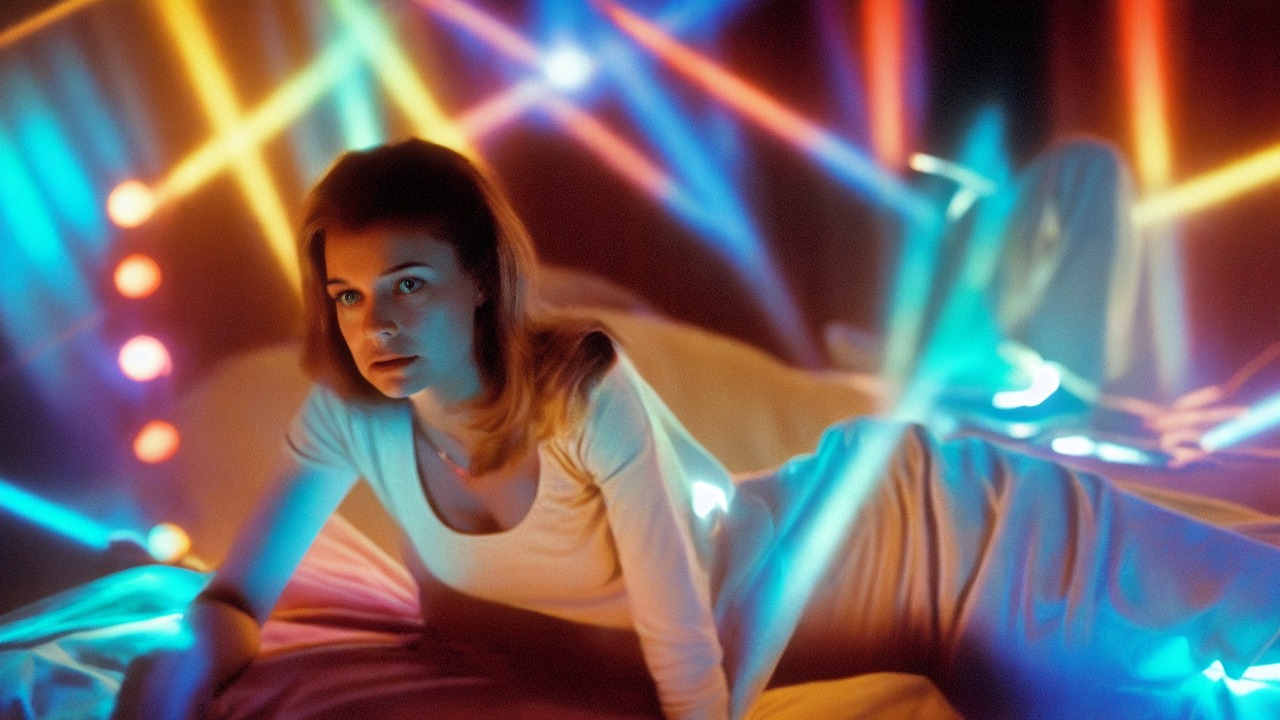
    In a vivid memory, an experiencer awakens to find that her sliding glass door no longer reveals her patio but instead opens into a brilliant room with shirtless brown-skinned figures around a table. The sudden environmental substitution mirrors dream logic.

    She reports seeing two versions of reality at once—the known bedroom and the unfamiliar bright chamber. The ambiguity leaves her unable to determine whether she is awake or dreaming.

    Hopkins interprets the vision as part of a complex encounter sequence, in which abductees move through symbolic spaces that override ordinary perception.

  • Upside-Down Hanging Sensation

    Upside-Down Hanging Sensation

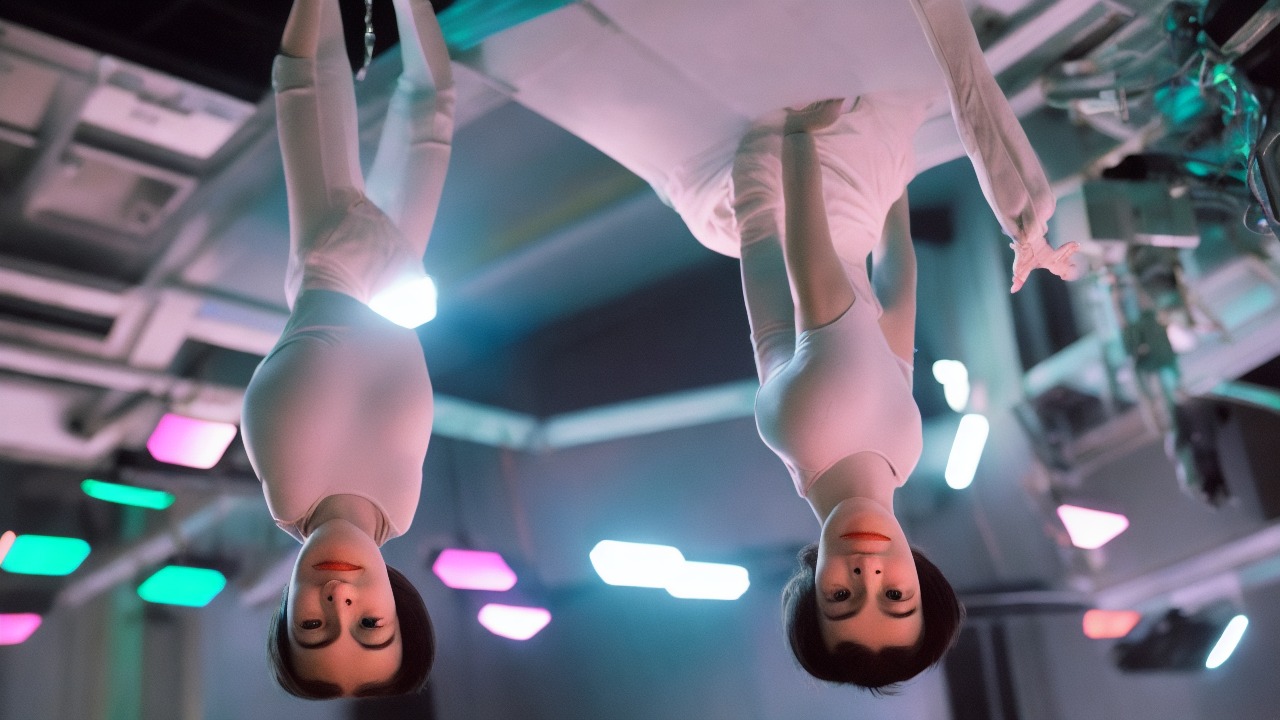
    Hopkins reports a case in which a woman feels herself hanging upside down, detached from her bed. She senses poking and prodding in intimate areas, described not as sexual but as instrumental. The sensations are surreal and frightening.

    Her perceptions oscillate between bodily immersion and symbolic confusion, resembling the shifting logic of a nightmare. She fears wetting the bed, then gagging, then vomiting, though none of these appear to occur physically.

    Hopkins interprets the episode as a hybrid dream-encounter state in which physical sensations and symbolic fears merge during an abduction.

  • Emotional Flood During Hybrid Interaction

    Emotional Flood During Hybrid Interaction

    Jacobs observes that interactions with hybrid beings frequently trigger overwhelming emotional floods. One experiencer describes being surrounded by hybrids and suddenly feeling a wave of sorrow and connection. The intensity resembles emotional surges found in powerful dreams.

    She does not understand the source of the emotion, yet feels it is tied to the beings’ intentions. The scene is quiet and dim, with hybrid figures watching her intently.

    Jacobs interprets the emotional wave as symbolic communication within the encounter, operating in the same way emotion drives meaning in dreams.

  • The Going-Home Light Transition

    The Going-Home Light Transition

    In Jacobs’s descriptions of the return phase, an abductee recalls being enveloped by a warm but intense light. Her surroundings dissolve into brightness, and she senses downward movement toward her bedroom. The moment feels like waking from a vivid dream.

    She finds herself suddenly back in bed, unsure how much time has passed. Her body feels heavy and distant, as though returning from a long lucid nightmare. The environment appears strangely quiet and emotionally flattened.

    Jacobs interprets these going-home transitions as symbolic reentries that merge dreamlike perception with physical return.