
Emotions: Terror

  • Dreamlike Emotional Confrontation With the Unknown

    Dreamlike Emotional Confrontation With the Unknown

    Mack explains that abductees often face powerful emotional waves as memories surface. These emotions appear before imagery or narrative details, creating a state like a vivid dream where feelings dominate the experience.

    The emotional surge may include terror, awe, or relief. Experiencers sense that these feelings originated during the encounter, even when imagery is unclear. The state blends dreamlike immediacy with traumatic charge.

    Mack sees this emotional-first pattern as evidence that abduction memories operate more like dream events—symbolic, nonlinear, and emotionally centered—than like historical recollections.

  • The Being at the End of the Bed

    The Being at the End of the Bed

    Mack describes a case in which an experiencer feels a presence at the end of the bed. The sensation precedes visual perception, creating a liminal state between paralysis and awakening. The emotional tone resembles the onset of a vivid nightmare.

    When the experiencer finally sees the figure, it appears distorted and alien, intensifying the terror. The scene blends environmental realism with the symbolic compression of dream space.

    Mack emphasizes that such bedside episodes mark the threshold where dreamlike states and waking perception intersect, shaping many reported encounters.

  • Upside-Down Hanging Sensation

    Upside-Down Hanging Sensation

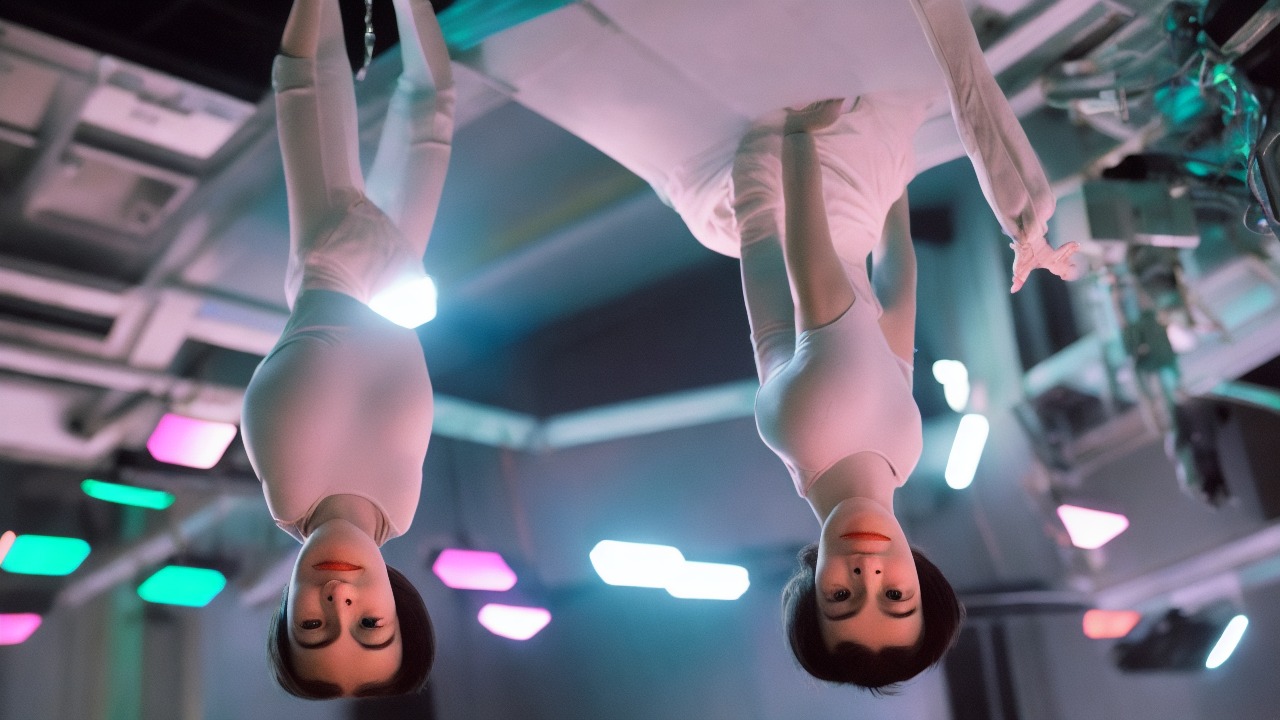
    Hopkins reports a case in which a woman feels herself hanging upside down, detached from her bed. She senses poking and prodding in intimate areas, described not as sexual but as instrumental. The sensations are surreal and frightening.

    Her perceptions oscillate between bodily immersion and symbolic confusion, resembling the shifting logic of a nightmare. She fears wetting the bed, then gagging, then vomiting, though none of these appear to occur physically.

    Hopkins interprets the episode as a hybrid dream-encounter state in which physical sensations and symbolic fears merge during an abduction.

  • Mrs. Bennett’s Beam-of-Light Encounter

    Mrs. Bennett’s Beam-of-Light Encounter

    Mrs. Bennett describes watching a bright object approach from the sky and stop directly overhead. A beam of light shines down and engulfs her with an intense emotional shock that feels like the onset of a dream or a symbolic death.

    The paralysis and hyperclarity create a surreal tableau. Her daughter sees entirely different details, adding to the dreamlike quality of fractured perception. The moment stretches beyond normal time and sensory coherence.

    Hopkins notes that such beam encounters contain elements of visionary shock and fragmented awareness, blending waking perception with dreamlike intrusion.

  • Barney’s Dreamlike Terror at the Binoculars

    Barney’s Dreamlike Terror at the Binoculars

    Fuller describes Barney’s overwhelming panic when he looks through binoculars at the occupants of the craft. Although not a formal dream, his perception becomes distorted and unreal. His legs shake uncontrollably, and he feels rooted to the spot.

    The moment contains dreamlike fear, dissociation, and symbolic paralysis. Barney senses the beings watching him and feels compelled to run yet unable to move. The experience resembles a nightmare in which terror overrides physical control.

    Fuller notes that this terror later formed the emotional core of Barney’s regression sessions.