Emotions: Dread

  • Barney’s Dreamlike Reassembly in the Car

    Barney’s Dreamlike Reassembly in the Car

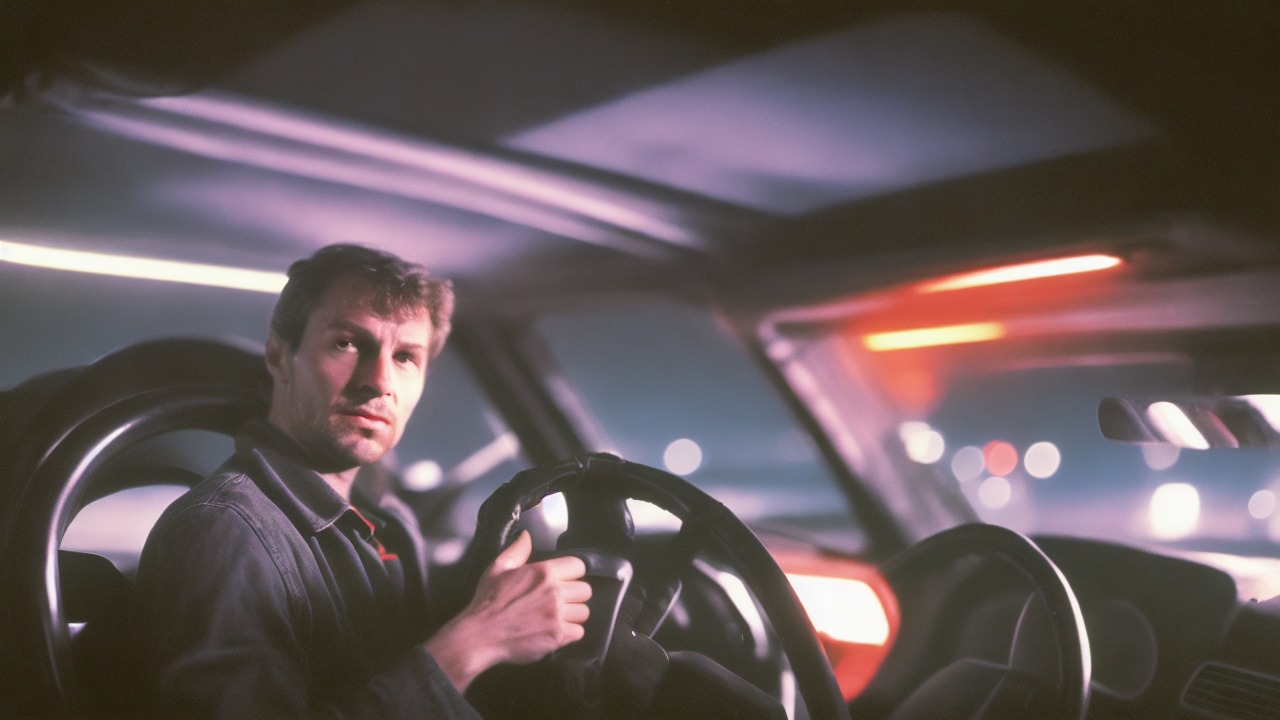
    In regression, Barney remembers suddenly being back in the car, gripping the wheel tightly. He cannot recall how he arrived there or why he feels so exhausted. The transition has dreamlike discontinuity—an abrupt jump from one scene to another.

    He feels emotional residue without imagery, similar to waking from a powerful nightmare. His body aches, and the silence inside the car feels unnatural.

    Fuller interprets this as a symbolic reassembly typical of dreamlike states embedded within missing-time encounters.

  • Sudden Realization Upon Awakening

    Sudden Realization Upon Awakening

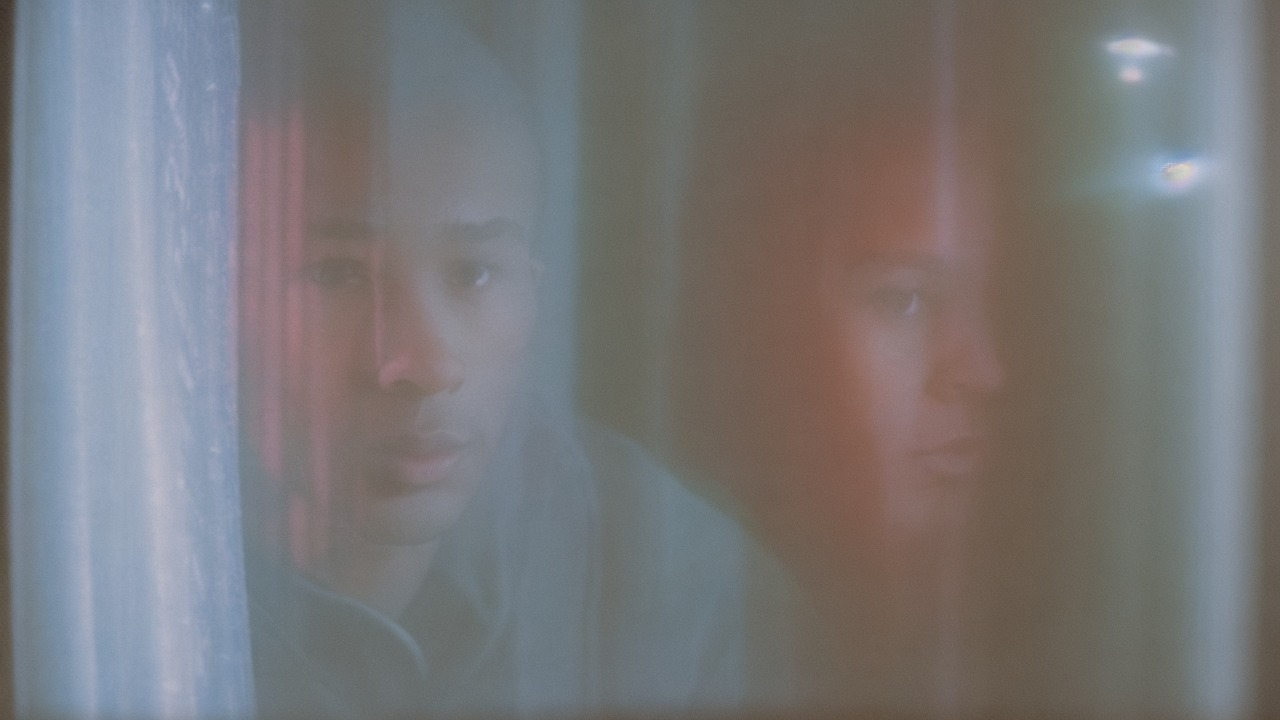
    Ring describes witnesses who awaken with the intense feeling that something significant occurred during the night. They retain only dreamlike fragments: lights, voices, or presences. The emotional certainty exceeds the content.

    This awakening resembles returning from a powerful dream where the meaning is clear but imagery dissolves. The experiencer reports emotional residue such as awe or dread.

    Ring interprets these episodes as moments when anomalous experience merges with dream-memory processes.

  • ERT Case: Flash of Light and Sudden Memory Break

    ERT Case: Flash of Light and Sudden Memory Break

    Marden reports an experiencer who notices a bright flash outside their window before everything goes blank. They awaken hours later with no memory of the intervening time but feel a deep emotional charge. The gap resembles the discontinuity of a powerful dream.

    They recall only faint impressions of being moved or guided, with no clear imagery. The sense of significance outweighs the content.

    Marden interprets this as a classic missing-time encounter accompanied by dreamlike memory processing.

  • Dream of a Future Emotion Preceding an Event

    Dream of a Future Emotion Preceding an Event

    Wargo emphasizes that some precognitive dreams transmit emotional states rather than specific images. The dreamer may awaken overwhelmed with dread, joy, sadness, or longing without understanding why.

    Later, a waking event produces the same emotional intensity, creating a clear resonance between the dream’s feeling-tone and the future moment. The imagery in the dream may be symbolic or irrelevant.

    This supports Wargo’s thesis that emotion functions as the carrier wave of precognitive information.

  • Turner’s Dream of Casey and the Black-Garbed Vampires

    Turner’s Dream of Casey and the Black-Garbed Vampires

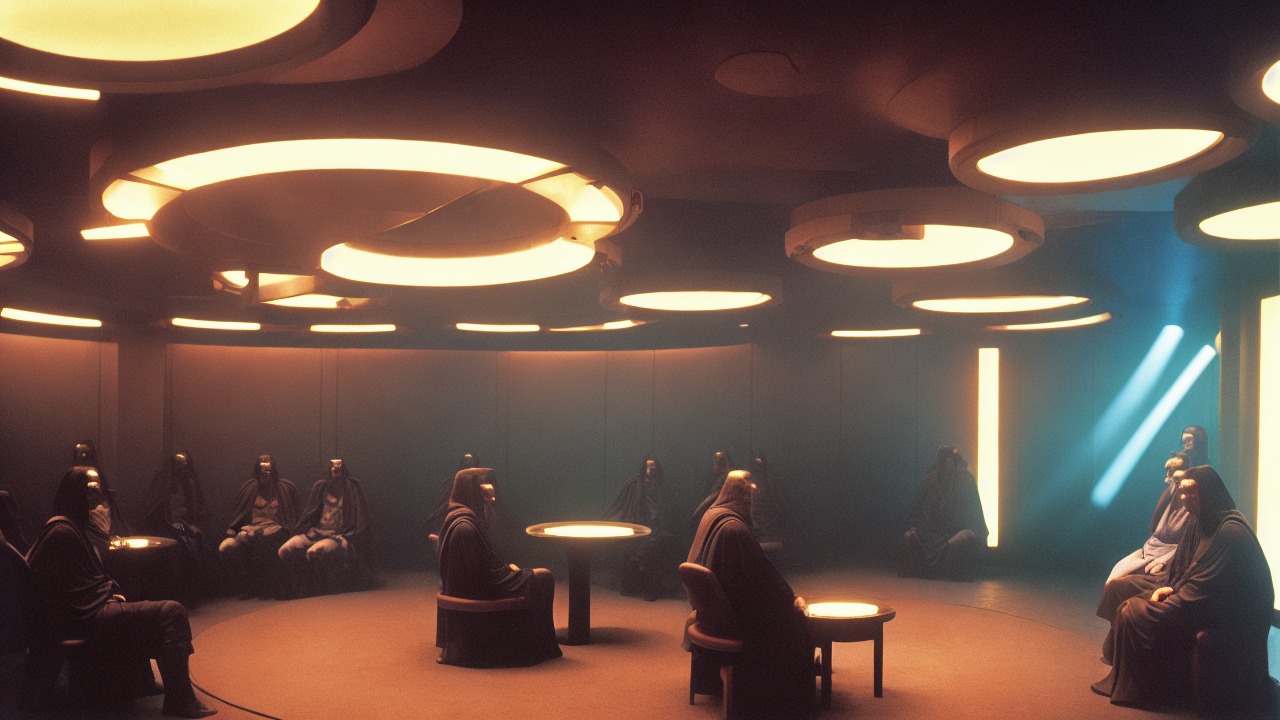
    Karla Turner briefly describes a dream in which Casey and black-garbed vampire-like beings sit in a circular room. The dream comes to mind as Barbara theorizes that certain beings may feed on strong human emotions such as fear or pain.

    In the dream, the figures appear dark, quiet, and intent, creating an atmosphere of tension and symbolic predation. Casey sits among them as though part of their circle.

    Turner later wonders whether this dream reflected an intuitive insight into emotional exploitation by nonhuman intelligences, or whether it was a subconscious reaction to the traumatic material they were uncovering.