Emotions: Curiosity

  • Night Vision of Entities Standing Beside the Bed

    Night Vision of Entities Standing Beside the Bed

    Cannon records a case where a subject awakens partially and sees small beings standing by the bed. Her body will not move, and the room appears subtly distorted. The encounter has the texture of a vivid dream combined with sleep paralysis.

    The beings communicate reassurance before lifting her into a new environment. The transition resembles a shift from one dream scene to the next. She feels both fear and fascination.

    Cannon presents this bedside visitation as a typical entry into altered-state encounters.
  • Dreamlike Journey Through a Dimensional Portal

    Dreamlike Journey Through a Dimensional Portal

    In another case, a subject recalls stepping into a circular opening that shifts reality around her. Light bends, sound distorts, and her body becomes light. The passage feels precisely like moving through a dream portal.

    On the other side is a vast, unfamiliar landscape with colors not seen in waking life. The beings explain that she is in a teaching space where form follows intention. Her emotions oscillate between awe and confusion.

    Cannon interprets this as dimensional travel within symbolic consciousness rather than physical movement.

  • The Classroom of Light

    The Classroom of Light

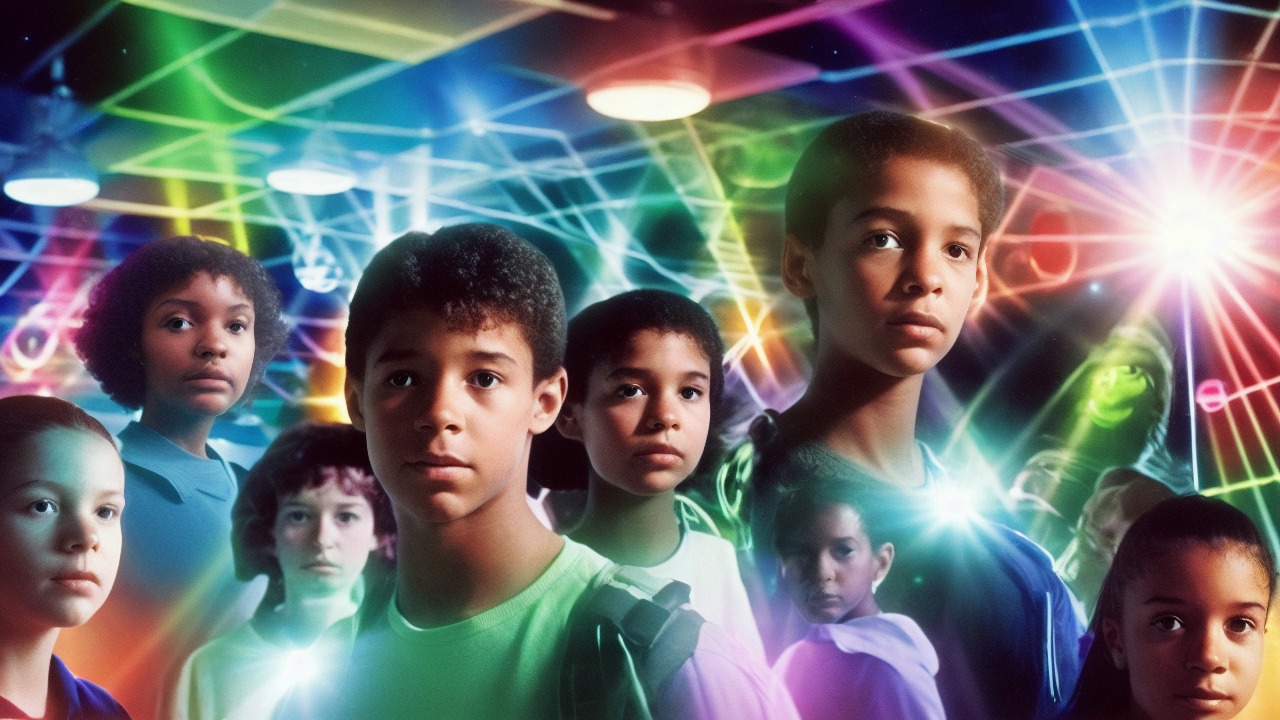
    Cannon reports a subject who perceives a luminous classroom during regression. Rows of other individuals sit beside her, each receiving telepathic lessons. Light forms diagrams and shifting shapes that communicate concepts beyond language.

    The environment feels dreamlike, as if constructed from thought rather than matter. Time behaves inconsistently, stretching and folding. The beings explain that this setting exists for instruction at soul-level awareness.

    Cannon treats this as evidence of a nonphysical teaching realm accessed through altered consciousness, similar to a lucid educational dream.

  • Visionary Rumours as Collective Dream Symptoms

    Visionary Rumours as Collective Dream Symptoms

    Jung explains that in times of social anxiety, visionary rumours spread rapidly. These rumours frequently feature dreamlike imagery—lights, shapes, or beings in the sky—shared across entire communities.

    He argues that such collective visions perform the same symbolic function as dreams, revealing emotional states that cannot be consciously acknowledged. The images behave like psychic projections rather than literal perceptions.

    Jung interprets these phenomena as collective dream symptoms expressing unconscious tension during periods of fear and uncertainty.

  • Dream of the Girl Led by a Fairy into the Mandala

    Dream of the Girl Led by a Fairy into the Mandala

    In Jung’s Flying Saucers, he recounts the dream of a six-year-old girl standing before the entrance of a large and unfamiliar building. A fairy meets her at the threshold and leads her inside. They move down a long colonnaded passage that feels ancient and sacred.

    They arrive at a central circular chamber where several colonnades converge. When the fairy steps into the center, she transforms into a tall flame rising upward. Three snakes circle the fire with ritual precision, creating a powerful symbolic tableau.

    Jung interprets this dream as an archetypal mandala image that expresses the child’s instinctive search for protection and psychic order. The converging architecture, flame, and serpents reveal the psyche’s effort toward inner balance.

  • Casey’s Dream of Blond Observers at the Window

    Casey’s Dream of Blond Observers at the Window

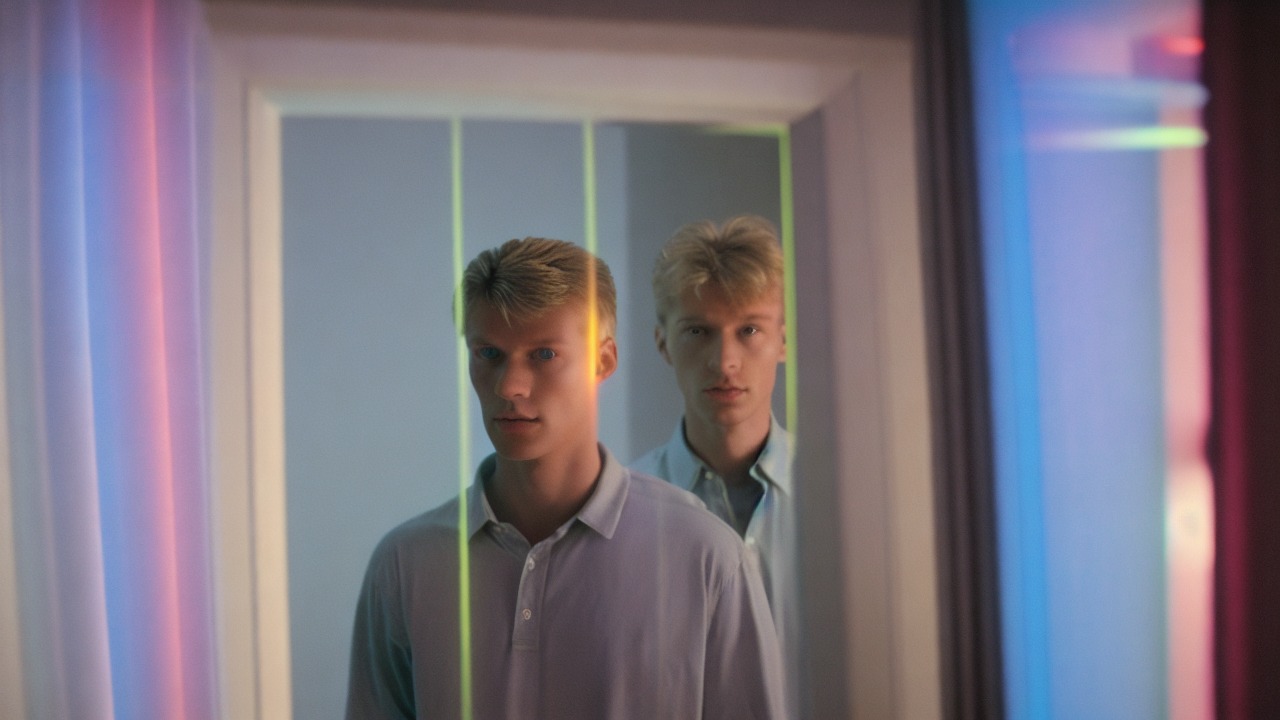
    Casey recounts a dream in which he wakes during the night to go to the bathroom. In the dream, the bedroom window has been replaced with a floor-to-ceiling opening exposing the backyard. Outside, a silent group of blond people stands watching him.

    He feels simultaneously attracted and unsettled by their intense scrutiny. The beings appear human but behave with an uncanny stillness, as though examining him for unknown purposes.

    He senses they want something from him but also feels objectified, as if he were a specimen under observation. The dream’s emotional tone leaves him conflicted and disturbed.

  • James’s Childhood-Prince Dream

    James’s Childhood-Prince Dream

    In Karla Turner’s Into the Fringe, James describes a dream in which he is a small child listening to an older version of himself tell a story. The older self presents a tale of a young prince who searches the world for the source of evil. The dream begins with the prince setting out to understand why darkness spreads across the land.

    The prince meets many people in his wandering, yet none can show him the actual cause of the evil. Eventually a sorcerer tells him the source lies under the ocean. This insight sends him home for a time, only for the evil in the world to intensify.

    When he resumes his search, he meets another wizard who finally shows him the way beneath the sea, where he battles the hidden force. The prince’s friends wait anxiously above, unsure whether he will ever return and restore order.